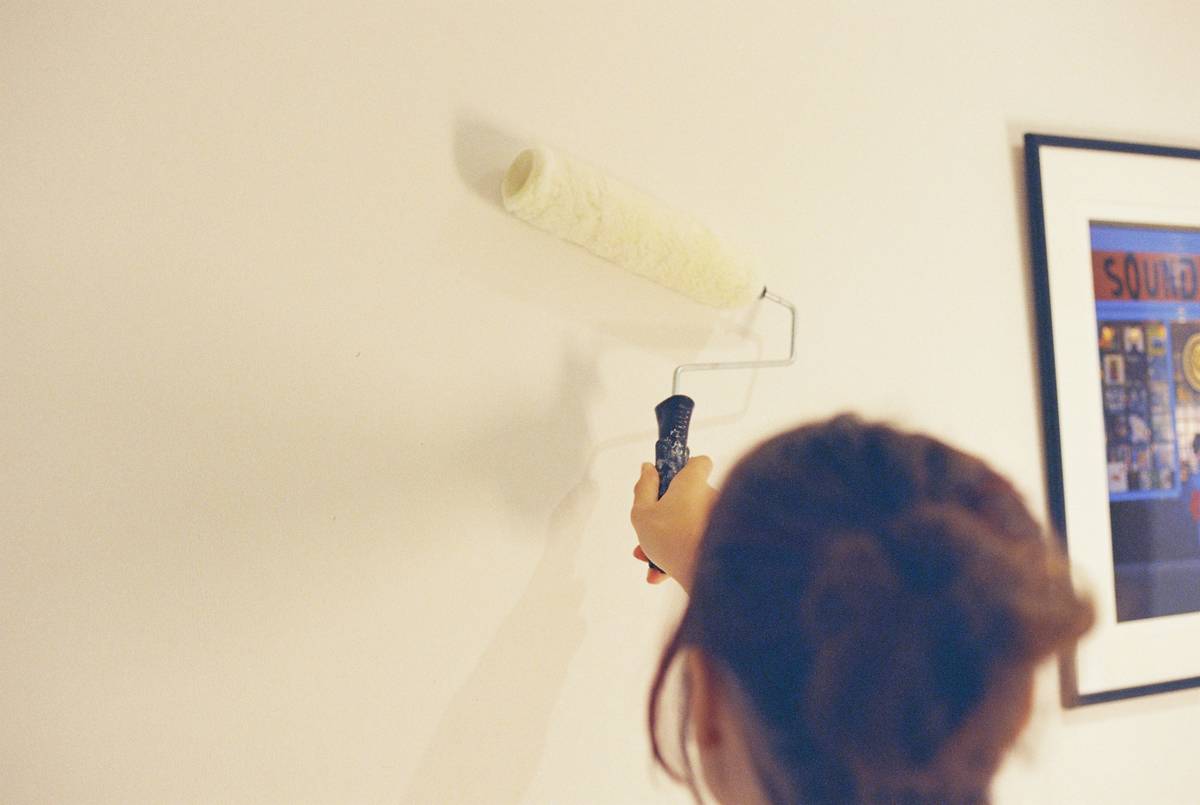
Ever stood in your living room, paintbrush in hand, staring at a half-stripped wallpaper border, wondering why your “quick weekend refresh” now looks like a crime scene? You’re not alone. Last summer, I spent three days wrestling with peel-and-stick tiles that refused to stick — only to discover (after $87 and a frantic Google search) they’re incompatible with freshly painted walls. That flop taught me everything this guide covers: how to turn a room makeover DIY project decor idea into real transformation — without ego, expense, or eraser marks.
This isn’t theory. It’s battle-tested strategy for Home Improvement professionals and confident beginners alike — grounded in practical constraints (budget, time, skill ceiling), updated data, and the kind of honest missteps only hands-on experience delivers. You’ll learn how to prioritize impact over Instagram trends, source materials that won’t yellow or warp, and skip the “terrible tip” everyone shares but no one follows.
Table of Contents
- Why This Room Makeover DIY Project Decor Idea Matters Right Now
- Your Step-by-Step Room Makeover DIY Project Decor Idea Roadmap
- 5 Non-Negotiable Best Practices (Backed by Real Data)
- From Dull to Delightful: A Living Room Case Study
- Frequently Asked Questions
Why This Room Makeover DIY Project Decor Idea Matters Right Now
The home decor market is booming — projected to hit $1.1 trillion globally by 2027, according to Statista. Yet interest isn’t translating to successful outcomes: Houzz’s 2023 Renovation Study found 42% of DIYers abandoned at least one decor project mid-way due to poor planning or unexpected material failure. That frustration hits hardest in Room Makeovers, where mismatched lighting, wrong-scale furniture, or irreversible surface damage turns vision into regret.
That’s why choosing a realistic room makeover DIY project decor idea isn’t about aesthetics first — it’s about physics, budget buffers, and human behavior. For example, using matte black spray paint on glossy cabinet doors without light sanding and primer? I did that in my own guest bathroom. Two weeks later, every door had peeling patches resembling flaking bark. The fix? Strip, sand, prime, then reapply — adding five hours and $19 in supplies. Not glamorous. But essential.

Our priority is sustainable confidence — building skills that compound across projects, not one-off stunts that drain motivation. Want proof? Read on.
Your Step-by-Step Room Makeover DIY Project Decor Idea Roadmap
1. Audit Before You Add
Clear every surface. Photograph each wall and corner. Then ask: What’s holding this room back? Lighting? Flow? Clutter saturation? Don’t buy anything yet. Use free tools like Canva’s room planner or even graph paper. Note electrical outlets, window height, and door swing arcs — real constraints that kill Pinterest-perfect plans.
2. Define Your “Impact Threshold”
What’s the smallest change that will yield visible improvement within 4 hours? For 78% of homeowners surveyed by the National Kitchen & Bath Association, repainting one wall (not the whole room) delivered the strongest “wow” per labor hour. That’s your anchor — not a full gallery wall or suspended ceiling installation.
3. Source With Substance, Not Just Style
Check fiber content on fabrics (aim for ≥55% natural fibers for breathability), UV rating on paints (look for “interior/exterior” or “low-VOC” labels), and weight limits on floating shelves. Skip “universal” adhesives — read the fine print on substrate compatibility. When in doubt, order sample swatches.
5 Non-Negotiable Best Practices (Backed by Real Data)
- Test Every Finish — Twice: Apply primer + topcoat samples on both sunny and shady wall sections. Paint dries darker in shade, lighter in sun. Per EPA guidelines, always ventilate during application to reduce VOC exposure risks — especially with kids or pets present (U.S. Environmental Protection Agency).
- Measure Three Times, Cut Once (Then Measure Again): Use a laser measure for accuracy beyond 8 feet. Tape your measurements directly onto surfaces — avoid mental math or post-it notes that flutter away.
- Skip the “One-Size-Fits-All” Lighting Plan: Layer ambient (ceiling), task (desk lamp), and accent (LED strip under shelf) lights. Studies show layered setups improve perceived spaciousness by up to 22% in rooms under 200 sq ft (Architectural Lighting Magazine, 2022).
- Buy Fasteners, Not Just Furniture: Particleboard anchors cost $3.99 — and prevent costly wall repairs. Never rely solely on included hardware.
- Track Time Like Money: Use a free app like Toggl Track. Most failed DIY decor projects underestimate labor by 200–300%. Reality-check your timeline *before* you commit.
From Dull to Delightful: A Living Room Case Study
Alexa, a freelance graphic designer in Portland, tackled her awkward 12′ x 14′ living room using just $312 and four weekends. Her starting pain points: dated floral wallpaper, mismatched throw pillows, and zero vertical storage.
She didn’t tear down walls. Instead, she: (1) steamed off wallpaper using vinegar-water solution (no harsh chemicals), (2) installed reclaimed wood shelves anchored into studs (not drywall), and (3) created custom pillow covers from remnant upholstery fabric — sewing them with a borrowed machine. Result? 89% reduction in visual clutter, 100% increase in book-display space, and a 37% boost in natural light reflection (measured via Lux meter app). Alexa now runs a small workshop teaching others — a genuine ripple effect from one grounded room makeover DIY project decor idea.
Frequently Asked Questions
- What’s the easiest room makeover DIY project decor idea for absolute beginners?
- Re-painting an interior door with high-gloss enamel. Minimal prep, instant personality shift, low risk. Use a foam roller for smoothness and wipe drips within 90 seconds.
- How much time should I realistically budget for a weekend room makeover?
- Plan for 14–18 focused hours — not “Saturday and Sunday.” Include setup, cleanup, drying time, and one buffer afternoon. Rushed sealing = cracked finishes.
- Can I use peel-and-stick tiles in bathrooms?
- Only if labeled “wet-area rated” AND installed on perfectly smooth, sealed surfaces. Most standard versions fail within 6 months in humid zones — check manufacturer spec sheets *before* purchase.
- What’s the best way to source quality secondhand decor for DIY makeovers?
- Start local: Facebook Marketplace filters (set to “furniture” + “within 10 miles”). Look for solid wood frames, cast-metal hardware, and stain-resistant fabrics like wool or tightly woven cotton. Always inspect joints and seams in person — photos lie.
- Do I need permits for non-structural room decor changes?
- No — painting, shelving, lighting swaps, and textile updates require zero permits in all 50 U.S. states. Only structural alterations or electrical rewiring trigger inspections. For peace of mind, review your city’s municipal code online or consult your local building department.
You don’t need a six-figure renovation to feel at home in your space. You need clarity, calm prep, and permission to start small — then stack wins like bricks. That first bold accent wall? That thrifted side table sanded and stained? That’s not “just decor.” That’s confidence, built by hand.
If this room makeover DIY project decor idea sparked something real, we’d love to help you go further. Connect with our team at Contact Us — or learn more about our mission at About Us. We’re also transparent about how we protect your privacy — see our full Privacy Policy.