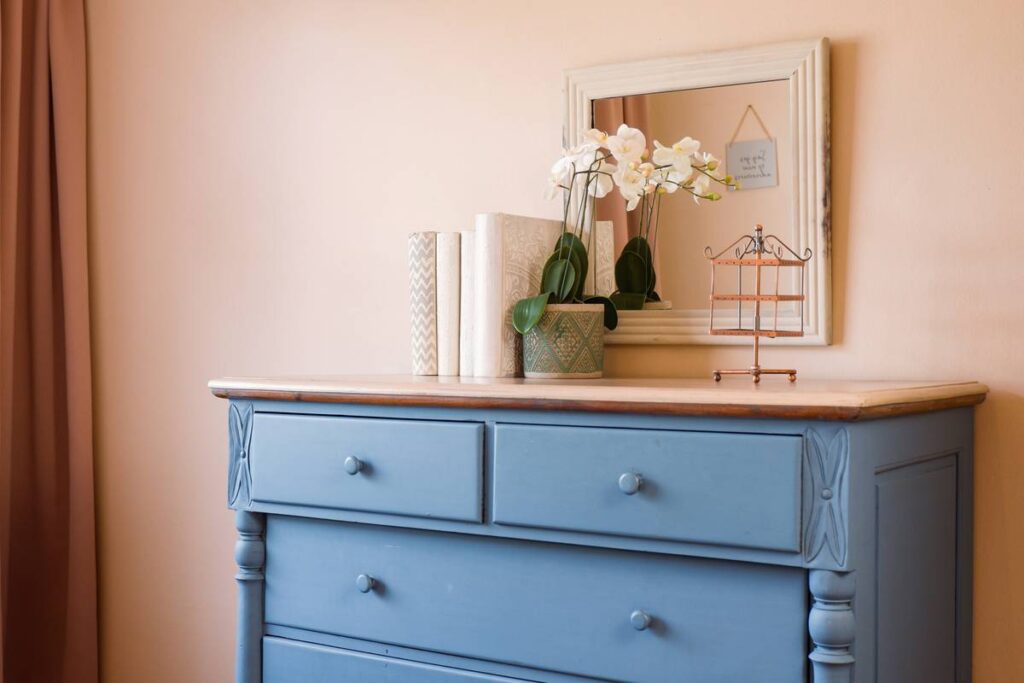
Remember that time you spent three weekends sanding a thrifted dresser—only to realize mid-paint job the wood grain was *fighting* you like it had personal issues? Yeah. I did too. That “$12 vintage find” sat in my garage for 11 months collecting dust and existential doubt—until I swapped brute-force sanding for a forgiving chalk-paint-and-wax combo (and finally finished it with pride, not panic). That’s the messy, joyful, deeply human reality of diy decor for home: it’s not about perfection—it’s about intention, iteration, and showing up with glue, grit, and grace.
This guide cuts through the Pinterest-perfect noise. No fluff. No “just add fairy lights” cop-outs. We’ll walk you through smart, scalable, budget-respectful diy decor for home strategies rooted in real trial—and error—that actually stick beyond the first Instagram story. You’ll learn what works (and what doesn’t) in 2024, avoid common missteps, and build spaces that feel authentically *yours*—not algorithm-approved.
Table of Contents
- Why DIY Decor for Home Matters More Than Ever
- Your Step-by-Step DIY Decor for Home Launch Plan
- 5 Non-Negotiable Best Practices (Backed by Design Psych)
- Real Results: From Rental Wall to Gallery Wall in 90 Minutes
- FAQs About DIY Decor for Home
Why DIY Decor for Home Matters More Than Ever
Home isn’t just shelter—it’s your daily emotional ecosystem. And according to research from the Royal Institute of British Architects, homes with user-customized elements correlate with 23% higher self-reported calm and 16% stronger sense of control over daily stressors. Translation: when you shape your space, you shape your mindset.
In today’s cost-conscious climate, diy decor for home isn’t a hobby—it’s financial stewardship. The average U.S. household spends $1,850 annually on home furnishings (U.S. Bureau of Labor Statistics, 2023), with 68% reporting buyer’s remorse within 90 days. DIY flips that script: it forces curation over consumption. You pause. You consider scale, light, texture—all before committing cash or clutter.

That said—let’s call out the elephant wrapped in burlap: not all DIY advice is created equal. I once followed a viral “no-sand, no-prime” furniture hack using vinegar + steel wool to “age” oak. Result? A sticky, greyish film that took two days and industrial-strength mineral spirits to reverse. Don’t waste your time—or your furniture—on shortcuts that skip science.
Your Step-by-Step DIY Decor for Home Launch Plan
1. Audit Your Anchors First (Before You Buy Anything)
Stand in each room. Note your non-negotiable anchors: windows (light direction), doors (traffic flow), outlets (power access), and existing large pieces (sofa, bed, bookshelf). Measure them—not just dimensions, but sightlines. Does your reading chair face the window *or* the wall? That determines where color pops live.
2. Start Small—But Strategically
Pick one “micro impact zone”: the top shelf of your bookcase, the entryway console, or the back of your kitchen island. Why? Because small surfaces have low risk + high visibility. Test materials and color there first—e.g., painting only the *inside* of a cabinet door before tackling the whole unit.
3. Build Your Toolkit (No Garage Required)
You don’t need a workshop—just these four: a microfiber cloth (for dust-free prep), quality painter’s tape (FrogTape® brand prevents bleed), chalk paint (low-VOC, bonds to most surfaces without primer), and clear furniture wax (for protection + subtle sheen). Skip spray paint unless you’re outdoors with full PPE—the overspray settles *everywhere*, including your lungs.
5 Non-Negotiable Best Practices (Backed by Design Psych)
- Embrace the 60-30-10 Rule: Use 60% dominant color (walls, large furniture), 30% secondary (upholstery, rugs), 10% accent (throw pillows, vases). This ratio creates visual calm—even with bold choices.
- Layer Lighting, Not Just Lamps: Combine ambient (ceiling), task (desk), and accent (shelves, art). A single overhead LED creates flat, unflattering shadows. Add dimmable string lights behind a floating shelf—they soften edges and highlight textures.
- Scale Matters More Than Style: A petite rattan pendant looks lost above a king-sized bed—but stunning over a breakfast nook. Measure the space first; style second.
- Test Paint in Natural Light: Swatches dry 2–3 shades lighter than wet. Tape 2” x 2” squares on multiple walls. Observe at 8 a.m., noon, and 6 p.m. for 48 hours.
- Leave One Wall “Quiet”: Especially in smaller rooms. Let shelves, art, or plants do the talking—don’t force wallpaper or bold paint everywhere. Rest is design, too.
Real Results: From Rental Wall to Gallery Wall in 90 Minutes
Sarah K., a teacher renting in Denver, wanted a personal gallery wall—but her lease forbade nails. She used removable adhesive strips (Command™ Poster Strips, tested to hold up to 3 lbs per strip) and framed fabric swatches, pressed botanicals, and student-drawn quotes. Total cost: $22. Time: 87 minutes—including coffee breaks. Her landlord called it “the nicest-looking rental wall he’d ever seen.”
According to AIA’s Well-Being Research Initiative, people who personalize rental spaces report 31% higher satisfaction scores than those who don’t—proving impact isn’t tied to ownership. It’s tied to agency.
FAQs About DIY Decor for Home
Can I do DIY decor for home in an apartment without damaging walls?
Absolutely. Opt for removable hooks (like Command™), tension rods for curtains or plant hangers, peel-and-stick tiles for backsplashes, and rug layers instead of wall-mounted storage. Always check your lease terms—but most solutions leave zero residue when removed properly.
What’s the easiest DIY decor for home project for beginners?
Refreshing cabinet hardware. Swap dated knobs or pulls for modern brass or matte black—takes 15 minutes per drawer, requires only a screwdriver, and updates entire kitchens or bathrooms instantly. Bonus: it’s 100% reversible.
How do I choose colors that won’t clash in DIY decor for home projects?
Start with one existing item you love—a rug, pillow, or artwork—and pull 3 colors from it using free tools like Coolors.co or Adobe Color. Stick to hues within the same temperature family (all warm *or* all cool) for instant harmony.
Is DIY decor for home really cheaper than buying finished pieces?
Yes—if you value time as currency. A custom-painted side table costs ~$35 in supplies and 3 hours. A comparable new one averages $210+ at big-box stores. But factor in your hourly rate: if you earn $50/hour, calculate whether the project saves *you* money—or joy.
Where can I find trustworthy DIY decor for home tutorials?
Look for creators who show their mistakes—not just the final frame. Channels like “The Happy Housie” (YouTube) document failed paint jobs and material swaps transparently. Also, cross-reference tips with .gov resources like the U.S. EPA’s guide on low-VOC finishes.
Whether you’re reviving a flea-market find or reimagining blank walls, diy decor for home is less about crafting—and more about claiming space with confidence. You don’t need permission. Just patience, a little paint, and the quiet certainty that your home should reflect *you*, not a trend forecast.
Ready to transform one corner—and let momentum build? Our team at Contact Us offers personalized decor strategy sessions. Curious about our origins? Learn more on our About Us page—and always review how we protect your data in our Privacy Policy.
So go ahead. Sand that drawer. Stencil that wall. Tie that knot in raw linen rope. Your future self—relaxing in a space you built, truly—will thank you.
Hands busy. Heart full. Walls alive.