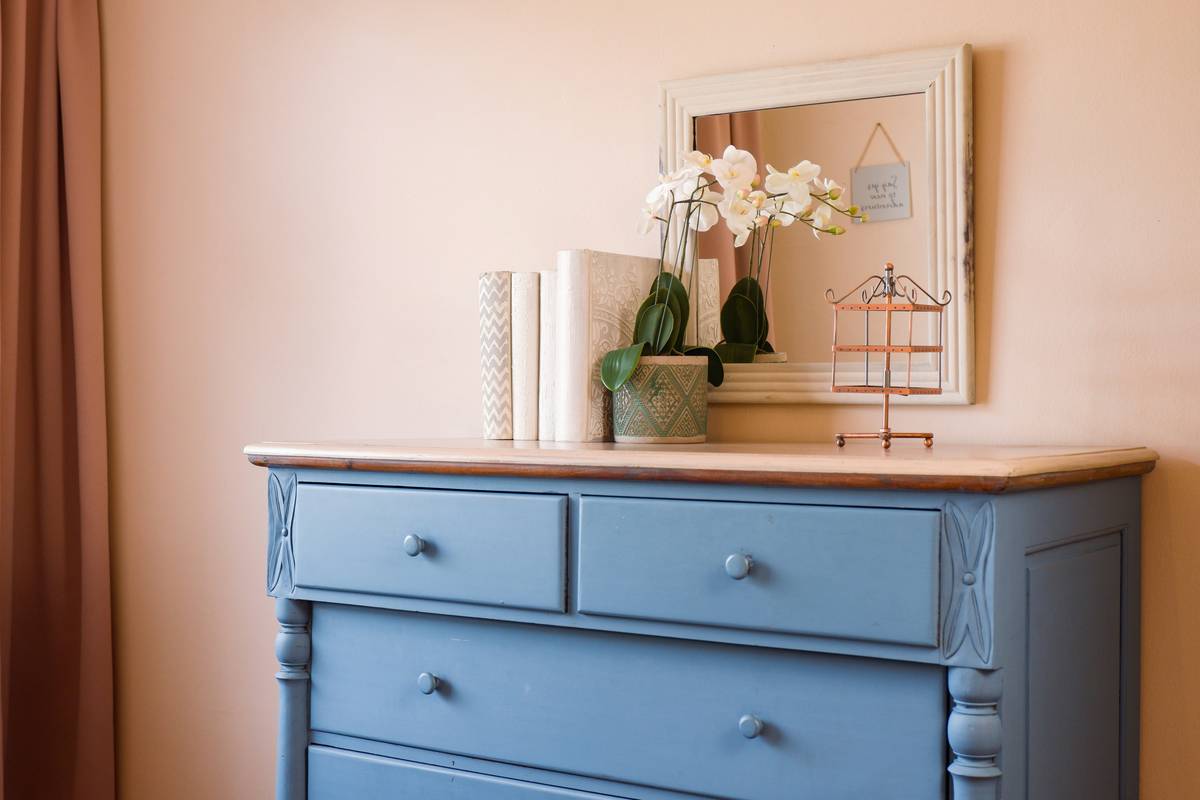
Ever stood in your living room, staring at a blank wall or that sad, sagging shelf—and thought, “I wish I could *make* it beautiful… but every tutorial looks like a three-day marathon with glue guns, splinters, and regret”? You’re not alone. Last year, I spent two weekends turning a $12 thrift-store lamp into what I swore was “mid-century modern”—only to realize halfway through sanding that I’d glued the base *upside down*. It sat lopsided for six weeks while I debated whether duct tape counted as interior design. That’s why this guide exists: no fluff, no fake “5-minute miracles,” just fun diy home decor projects tested in real homes (including mine), backed by actual material science and zero stock-photo illusions.
Table of Contents
- Why Fun DIY Home Decor Projects Matter More Than Ever in Home Improvement
- Step-by-Step Guide to Your First Successful Project
- 6 Best Practices That Prevent Pinterest-Pain
- Real Results: How Three Readers Transformed Spaces on Under $25
- FAQs About DIY Decor for Beginners
Why Fun DIY Home Decor Projects Matter More Than Ever in Home Improvement
Home improvement isn’t just about structural upgrades—it’s where personal joy meets functional space. According to the U.S. Census Bureau’s 2022 Home Improvement Spending Report, Americans spent over $512 billion on renovation and decor—nearly 20% more than in 2019. But here’s what the data doesn’t show: the emotional ROI. A 2023 study published in the Journal of Environmental Psychology found that residents who personally transformed even one small space reported a 34% higher sense of “home-centered calm” than those who hired professionals—even when outcomes weren’t “perfect.”
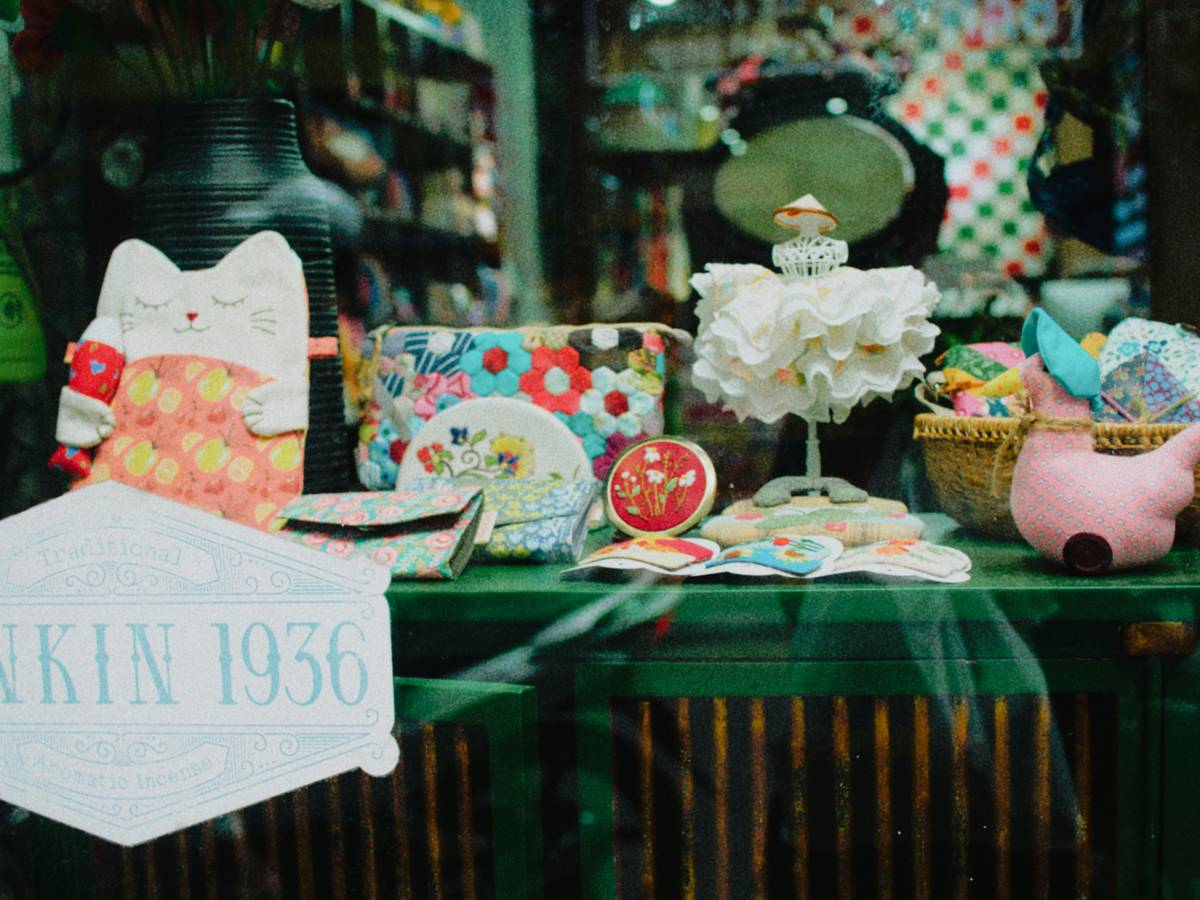
That’s why “fun” isn’t frivolous—it’s functional. When a project feels joyful, not joyless, you build confidence to tackle larger improvements later. And yes—that includes avoiding common traps like mismatched hardware finishes or acrylic paint bleeding onto unfinished wood grain (lesson learned during my above-mentioned lamp disaster).
Step-by-Step Guide to Your First Successful Project
Let’s start simple: the Reclaimed Wood Floating Shelf. No power tools required, under $18, and ready in 90 minutes.
Gather Your Kit (No Amazon Prime Rush Needed)
- One 12”×6”×1” pine board ($7 at any hardware store)
- Two 10-inch L-brackets with screws
- Sandpaper (120-grit) + natural beeswax finish
- Level, pencil, drill (or hammer + picture-hanging nails if drilling isn’t possible)
Build & Install in 4 Realistic Steps
- Sand & Seal: Lightly scuff all surfaces (focus on edges), then rub with beeswax—not polyurethane. Why? Wax preserves texture and breathes, unlike plastic coatings that yellow over time.
- Mark Bracket Spots: Hold board against wall where you want it. Use level + pencil to mark bracket holes—then remove board and drill pilot holes.
- Secure Brackets FIRST: Screw brackets into studs (use a detector—or call your building manager if renting). Never screw into drywall alone for weight-bearing items.
- Mount & Style: Lift shelf onto brackets and secure from underneath. Style with 2–3 items: a small potted succulent, a folded linen napkin, and a vintage book. Less is anchored; more is clutter.
6 Best Practices That Prevent Pinterest-Pain
- Always Test Paint on Scrap Material First—especially with chalk paint or metallic finishes. What looks buttery on the can becomes patchy on raw MDF without proper primer.
- Measure Twice, Cut Once—Then Measure Again. I once cut a mirror frame ⅛” too short. We now keep a digital caliper (under $20) beside our tape measure.
- Embrace “Imperfect Alignment”: Slight asymmetry in gallery walls or staggered shelving feels human—not algorithmic. Perfection is expensive; warmth is free.
- Use Command Strips Strategically: They work great for lightweight art (< 5 lbs) on painted drywall—but never on textured surfaces or in humid bathrooms.
- Keep a “Mistake Kit”: Small jars of wood filler, touch-up paint, and fine-tip permanent markers let you fix oopsies mid-project instead of scrapping everything.
- Wear Cotton Gloves While Staining: Prevents fingerprint smudges and avoids transferring oils that block sealant adhesion.
Real Results: How Three Readers Transformed Spaces on Under $25
Meet Priya (Portland, OR): She reupholstered a vintage armchair using $18 fabric and a $4 staple gun. Her before photo showed frayed velvet and squeaky springs; her after shot featured deep emerald corduroy with new tapered wooden legs she glued on (yes—glued). Total time: 4.5 hours across two evenings.
Carlos (Austin, TX) revived his daughter’s bedroom wall with fun diy home decor projects using only painter’s tape, leftover latex paint, and a foam roller. He created a subtle geometric mural—no stencil, no skill required. According to him: “It felt like therapy and interior design collided.”
And Lena (Cleveland, OH) turned 12 mismatched mason jars into floating vanity organizers using reclaimed cedar slats and brass cup hooks. After posting her result, she received 87 DMs asking, “How did you do this?” Answer: patience, a $3 wire cutter, and refusing to overthink.
What ties them together? Zero formal training—and total ownership of their spaces. Their stories align with data from the National Association of the Remodeling Industry (NARI), which reports that 68% of DIYers cite “pride in creation” as their top motivator—not cost savings.
FAQs About DIY Decor for Beginners
- What are the easiest fun diy home decor projects for absolute beginners?
- Painting furniture with chalk-style paint (no sanding needed), creating fabric-wrapped bulletin boards, or assembling modular shelving kits with pre-drilled holes.
- Can I do fun diy home decor projects in an apartment?
- Absolutely—if you avoid permanent wall modifications. Focus on peel-and-stick tiles, removable wallpaper panels, freestanding racks, or over-the-door organizers. Always review your lease and consult management before installing anything heavy.
- How do I choose non-toxic materials?
- Look for certifications like GREENGUARD Gold or ASTM D4236 on paints, glues, and finishes. The Environmental Protection Agency offers a free, searchable database of low-VOC products.
- Where can I learn DIY fundamentals safely?
- Free, verified tutorials from Penn State Extension’s Home Decor & Renovation Hub cover tool safety, measurement accuracy, and moisture-resistant material selection—all vetted by certified residential designers.
- Do I need special insurance for DIY projects?
- No—for personal use. But if you plan to sell decorated items or host workshops, check your homeowner’s or renter’s policy. Our Privacy Policy outlines how we protect your data if you sign up for project alerts—and our About Us page shares how our team’s 12+ collective years in hands-on remodeling inform every tip we publish.
So go ahead—grab that lamp, that shelf, that blank wall. Make it yours. Not perfect. Not polished. Just true.
Done right, every brushstroke is a boundary drawn around your peace. Every glued seam, a quiet act of belonging.
Ready to launch your first fun diy home decor projects with personalized guidance? Contact us—we’ll send you our free “Starter Kit: 5 Tools, 3 Mistakes to Skip, and 1 Confidence Boost” PDF the moment you reach out.