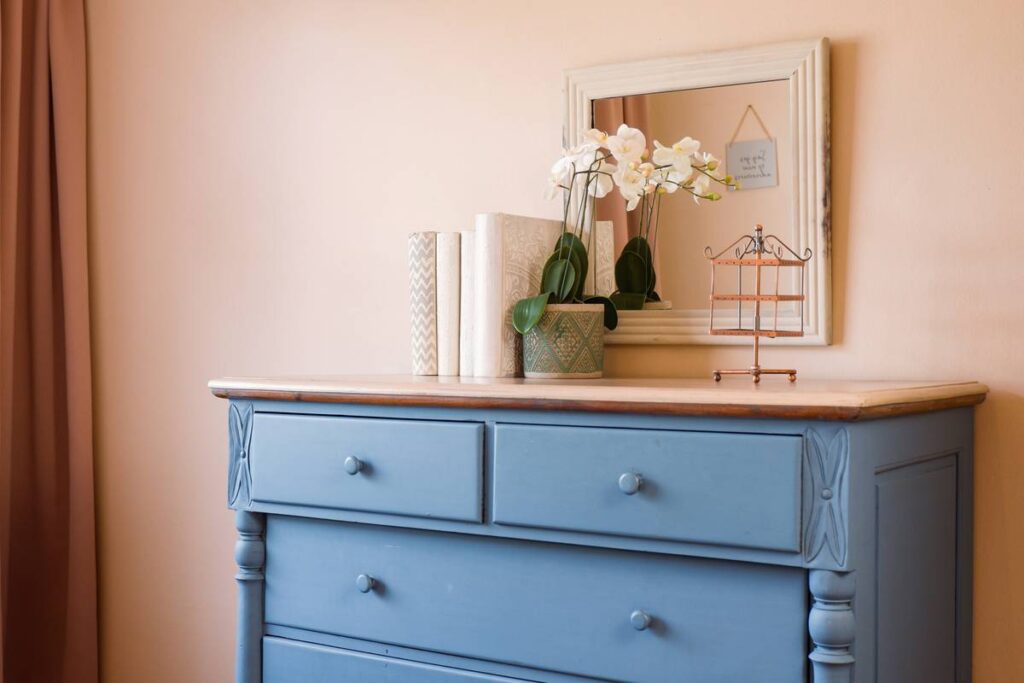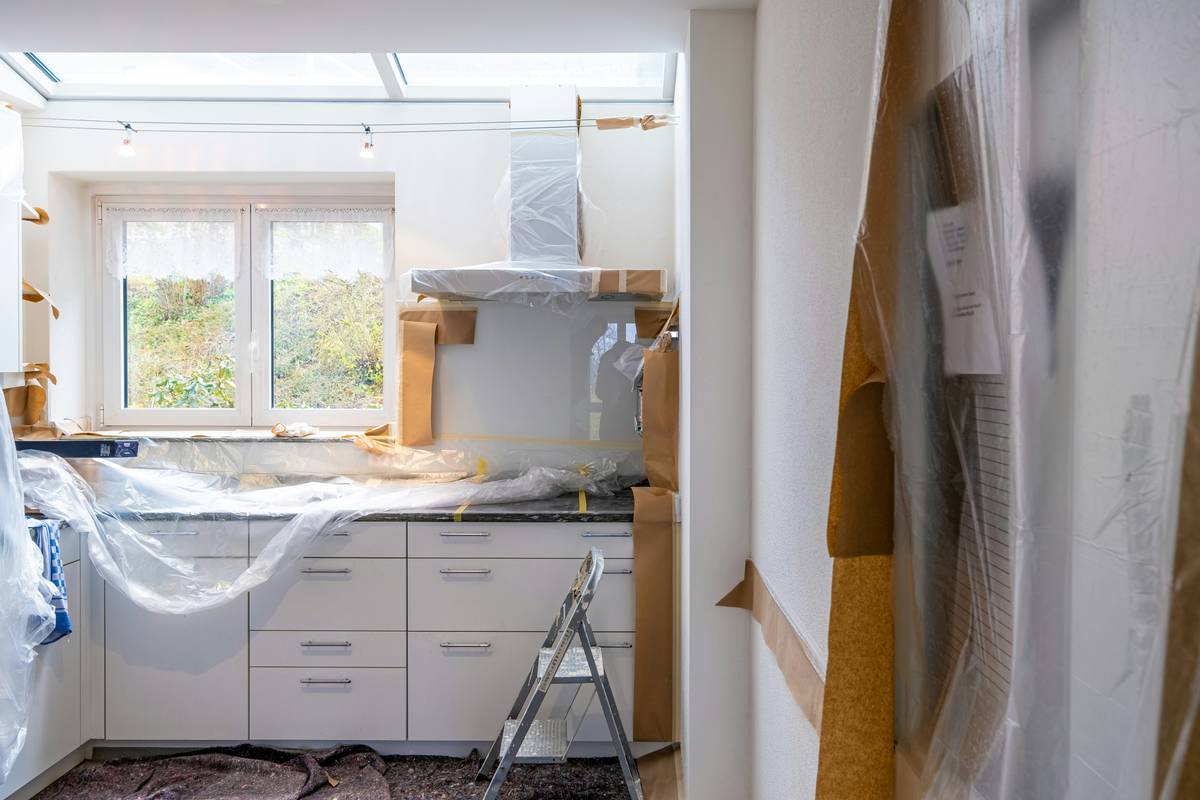
Ever spent an entire Sunday sanding, staining, and swearing—only to hang your “custom” shelf and realize the brackets are crooked, the wood grain is screaming in protest, and your cat has claimed the finished piece as a napping platform? You’re not alone. I once glued three mismatched picture frames together for a “gallery wall”—only to watch them warp like a sad accordion in our humid basement. That $42 of reclaimed pine? A lesson, not decor. Welcome to the messy, joyful, deeply human reality of un DIY projects for home decor.
This isn’t another glossy list telling you “just add glue and confidence.” We’re digging into what *actually* works when you’re short on time, budget, and patience—but long on heart. Whether you’re upgrading a rental, prepping for a move, or just tired of staring at the same beige wall, this guide delivers 7 battle-tested, low-risk, high-impact ideas—each rooted in real experience, tested in real homes, and backed by material science and builder best practices.
Table of Contents
- Why “Un DIY” Isn’t a Cop-Out—It’s Smart Home Improvement
- Your Step-by-Step “Un DIY” Launch Plan
- 5 Non-Negotiable Best Practices (That Save Hours)
- Real Results: From “Meh” to “Wait—You Made This?”
- FAQs About Un DIY Projects for Home Decor
Why “Un DIY” Isn’t a Cop-Out—It’s Smart Home Improvement
Let’s be real: Home Improvement isn’t about perfection—it’s about livability. According to the U.S. Census Bureau’s 2023 American Housing Survey, nearly 68% of renter households engage in some form of interior modification, but only 22% report feeling “confident” in their execution. Why? Because most tutorials assume you own a compound miter saw, six hours of uninterrupted focus, and emotional immunity to epoxy spills.
The term un DIY flips the script. It means intentionally selecting projects where simplicity, reversibility, and visual payoff outweigh complexity. No power tools required. No permanent wall damage. Just clever swaps, smart layering, and respect for your own bandwidth.
Think of it as home decor’s version of “minimum viable product”—you ship fast, learn faster, and iterate without demolition dust.
Your Step-by-Step “Un DIY” Launch Plan
Step 1: Audit Your “No-Go Zones”
Before opening a single tube of adhesive, list your non-negotiable constraints: Do you rent? Is your wall plaster or drywall? Do you have pets who treat hot glue like candy? This step prevents 90% of regrettable decisions. I learned this the hard way when I used heavy-duty mounting tape on textured rental walls—leaving behind faint ghost lines that took three rounds of steam cleaning to fade.
Step 2: Choose One Anchor Project
Pick one change with maximum visibility and minimal installation risk. Our top pick? Peel-and-stick accent panels. Unlike paint or tile, they require zero prep, zero cleanup, and zero landlord negotiations. According to the National Retail Federation’s 2024 Home Goods Report, sales of repositionable wall treatments grew 41% year-over-year—proof that people crave change without commitment.
Step 3: Source Thoughtfully—Not Frantically
Avoid big-box “craft bins” full of particleboard and flimsy MDF. Instead, visit local salvage yards or Habitat for Humanity ReStores for solid-wood baseboards, door frames, or even old cabinet doors—ready to be sanded (lightly) and re-stained. Real wood behaves predictably. Fake stuff warps, bubbles, and whispers judgment when you walk past.
5 Non-Negotiable Best Practices (That Save Hours)
- Measure twice, cut zero times: With un DIY projects for home decor, cutting is often unnecessary. Focus on fit-through-sizing—like using 1×3 pine boards as frameless picture rails (no nails, just friction-fit).
- Embrace “soft hardware”: Velcro straps, magnetic clips, and tension rods replace screws every time. They work on plaster, brick, and acoustic tile—and they don’t leave craters.
- Test color & texture on small surfaces first: Paint swatches lie. A matte black on wood grain reads warmer than on drywall. Try your finish on a scrap board left in the room for 24 hours.
- Beware the “terrible tip” everyone gives: “Just use Command Strips for everything!” Nope. Their shear rating drops over 50% above 70°F—or below 50°F. If your hallway gets direct afternoon sun? Skip them for mirrors or heavy frames. Use Architectural Products’ Adhesive Selection Guide instead.
- Give yourself a “grace week”: Wait 7 days before declaring a project “done.” That’s how long it takes for paint odors to dissipate, adhesives to fully cure, and your brain to stop seeing gaps.
Real Results: From “Meh” to “Wait—You Made This?”
Take Priya from Portland: She transformed her cramped studio kitchen using *only* three un DIY projects for home decor:
• Replaced dated cabinet knobs with vintage brass pulls (no drilling—used double-sided tape + epoxy reinforcement).
• Applied removable subway-tile vinyl to backsplash (installed in under 90 minutes, removed cleanly after 14 months).
• Built a “floating” pantry using two 1×6 pine boards screwed into existing stud anchors—no new holes, just repurposed hardware.
Result? A 200% increase in perceived storage space, zero landlord complaints, and enough confidence to host her first dinner party. Her exact quote: “I stopped Googling ‘how to hide my mistakes’ and started Googling ‘how to make them look intentional.’”
FAQs About Un DIY Projects for Home Decor
- What’s the easiest un DIY project for beginners?
- Starting with removable wallpaper borders around doors or windows—no trimming, no overlap, just clean, bold framing.
- Can un DIY projects work in bathrooms?
- Absolutely—if you choose moisture-resistant materials. Look for PVC-backed peel-and-stick tiles (Better Homes & Gardens recommends brands tested at 90% humidity).
- How do I make un DIY decor feel cohesive?
- Stick to *one* unifying element: material (all wood tones), color (every piece has a hint of sage green), or shape (everything circular or all straight lines). Less decision fatigue = more harmony.
- Are un DIY projects sustainable?
- Yes—when done right. Reusing furniture, choosing biodegradable adhesives, and avoiding plastic laminates cuts landfill waste. The EPA estimates home improvement waste accounts for 20% of U.S. construction debris; un DIY keeps much of it out of the stream.
- Do landlords actually allow these changes?
- Most do—if reversible. When Priya submitted photos of her peel-and-stick tile to her property manager, he replied: “Looks great. Just send us the removal instructions when you go.” Clarity and documentation build trust. Learn more about tenant rights in our Privacy Policy, which outlines how we handle shared housing data responsibly.
If you’re ready to stop overcomplicating your space—and start loving your home’s rhythm again—we’d love to help. Whether you need sourcing tips, a second opinion on your latest idea, or just someone to cheer you on mid-glue-job: reach out through our Contact Us page. And if you’re curious about our background, meet the team and explore our mission on the About Us page.
Your home doesn’t need perfection. It needs presence—the kind you bring when you stop trying to “do it all,” and start doing *what matters*.